
January 14, 2026
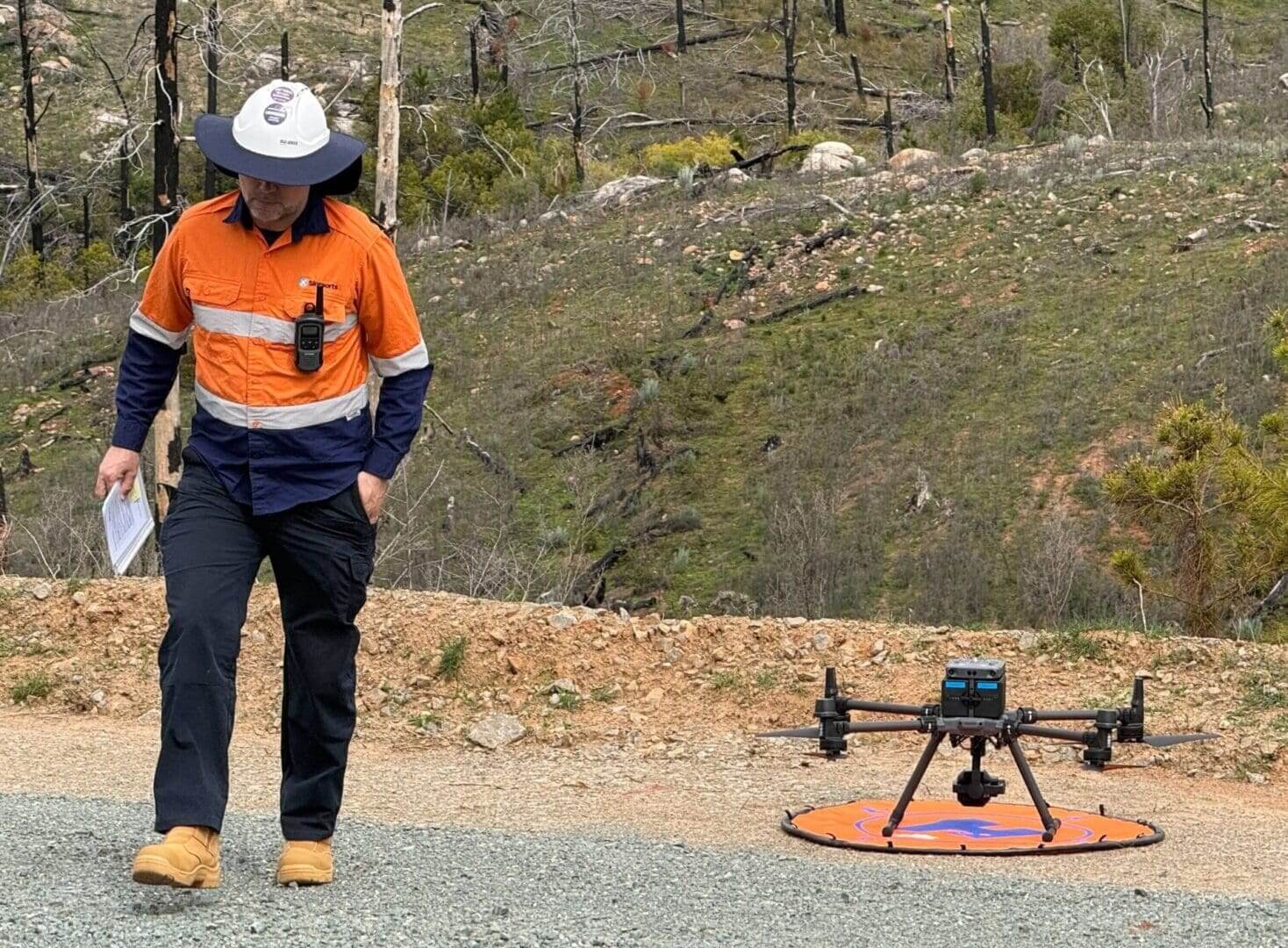
Meet the team: Grant Eaton, Flight Operations Manager, Australia
You’ve been pivotal in setting up our flight operations in Australia. What have you got up to with Skyports so far?
It’s only been eight months, but we’ve achieved a lot for Skyports Australia. For me there’s been two main achievements.
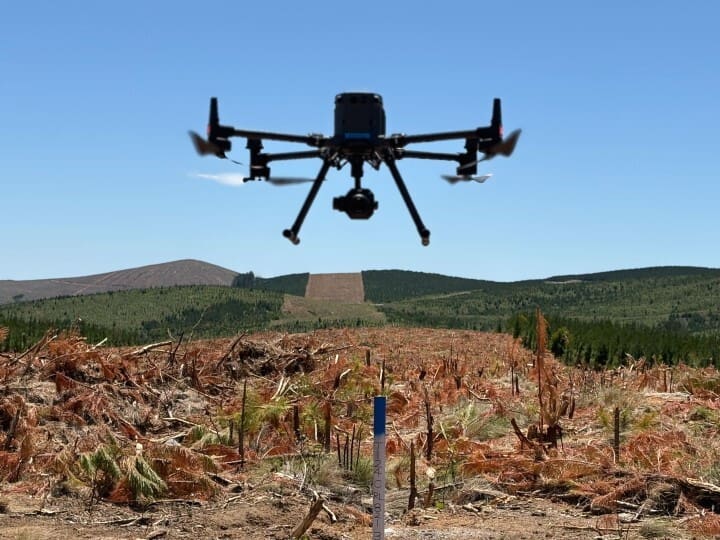
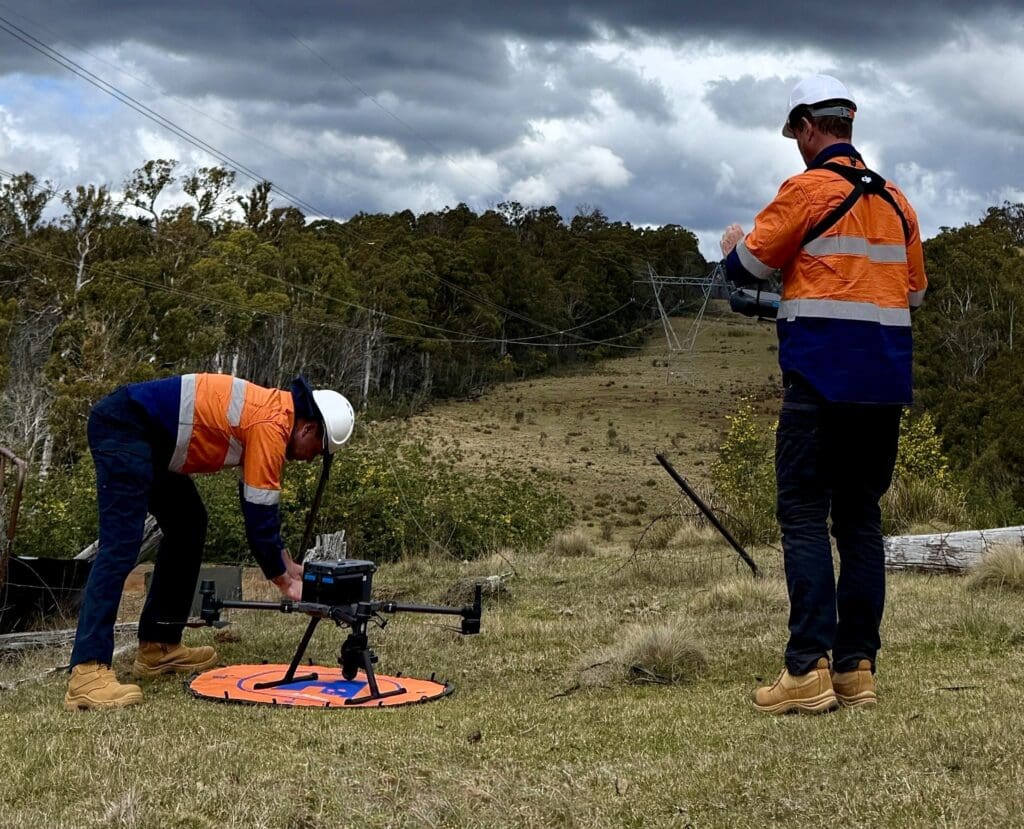
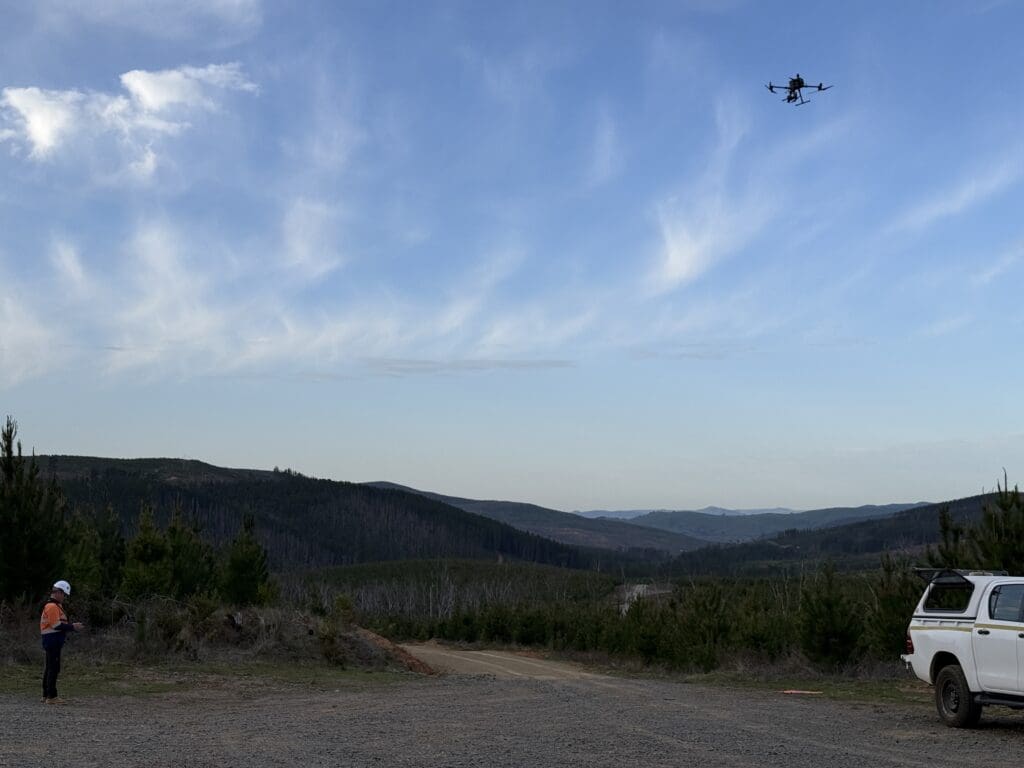
At an operations level, a highlight has been conducting a major drone survey for the HumeLink project in Wagga Wagga. Ahead of 150km of new higher voltage powerlines being installed, we’ve been conducting multi sensor drone survey of the terrain to make sure it’s suitable for the tower pads to be fitted.
The second has been setting up our Remote Operations Centre in Sydney, which we’ll use as our hub where we’ll pilot and oversee our remote drone operations. As part of the set up we’ve been completing all of our regulatory applications and pilot manuals, alongside conducting testing of our aircraft and hardware.
How did you get into flying drones, and how did it lead you to working here at Skyports?
My early career was spent with the Royal Australian Air Force, where I served for 8 years, giving me foundational experience in aviation.
My first encounter with drones however was when I was training to be a Divemaster back in 2016. One of my mates had an early drone, where you had to physically attach a GoPro. We thought it would be cool to map one of our dive sites, so I had a go piloting it. I really enjoyed it, so bought myself a Mavic just for recreational flying, and worked on my skills from there.
My professional career in drones however was a bit by chance. I was looking for a career in teaching, and a job for drones up. I applied on the off chance, and got it! The company ended up being very successful, teaching government organisations.
I then transitioned to becoming a drone teacher, teaching the Certificate III in Aviation (Remote Pilot). I then worked for Toll Trucking in their aviation division, working and teaching at the ACE training centre in Sydney.
Skyports came up in conversation, and the fact they were setting up an operation in Australia, so I thought I’d give it a go. And here we are!
Why do you think Australia is especially well suited to drones?
For me there’s two factors.
One of them is landscape – Australia is vast. It’s mostly uninhabited in the central parts of Australia, so one of the biggest challenges will always be logistics, which drones are in a perfect position to address.
The second is technology. Due to the isolation of Australia, we tend to develop our own, which is then modified to the local market. So we have a really strong relationship with the local OEMs. I think that really strengthens the product we can provide to our local customers.
Is there anything unique about operating drones in Australia?
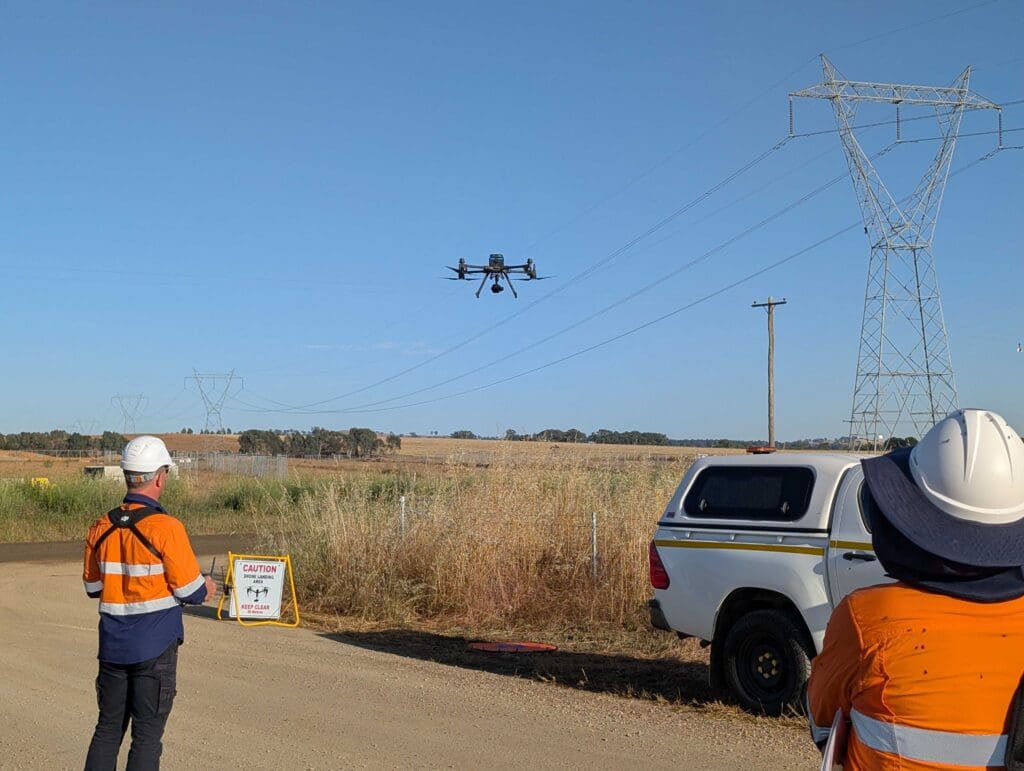
You could argue that the regulatory environment for drones in Australia is “unique”! Drone operations are highly regulated here, and there’s a relatively small regulations teams in the Australian government, just based on the size of our population.
This means that getting regulatory approvals to operate new, innovative use cases for drones can take time. Having existing relationships, and a crack regulations team (like we have at Skyports), definitely help with getting things over the line.
Do Australia’s landscapes and environments influence the way you plan and fly missions?
Given the size of Australia and the range of our terrain, you (and the technology you use) really needs to be ready for anything.
If you’re in central Australia in the desert, where it can top 50 degrees Celsius, that puts heavy stresses on the technology and requires certain precautions. It’s also dangerous! So on a personal level you need to be well prepared.
On the other end of the scale, if you head to New South Wales and the Snowy Mountains, you’ll be in freezing conditions. I’ve had to put drone batteries inside my jacket to get them warm enough so they’d actually operate.
You drone operations in Australia must have taken you to some interesting places. What’s been the coolest thing you’ve seen?
Our drone operations take us to some remote and unusual places, and with this I’ve been lucky enough to encounter some of the unusual native animals we have in Australia, which are pretty uncommon to see in everyday life.
During the HumeLink project I saw 3 wild emus over the space of a week – which is probably three more than I’d seen during my entire lifetime!
Australia has strict CASA regulations for drone pilots – what advice would you give newcomers?
The best foundation is to start with your Sub 25kg Multirotor Licence, with the Aeronautical Radio Operator Certificate. These will be your bedrock certifications from which you can build and really start to credibly get into the drone industry.
Once you’re certified, keep your flying hours up – don’t leave your drone forgotten in a cupboard. Make sure you’re dedicating some time each month to stay current. Most employers will require that you have at least 20 hours of flying experience, but you’ll really standout if you’re able to prove you’ve flown multiples of that.
What advice would you give to aspiring drone pilots looking to build a sustainable career in Australia?
The drone industry has grown a lot and continues to expand. It doesn’t cut it anymore to just say you’re a “drone expert” and a generalist. Specific customers and companies will be needing to use drones in different ways, and will accordingly be looking for someone who can say they’re highly proficient in that specific use case.
So find your lane – whether that’s agricultural spraying, LiDAR in cold environments, medical delivery – and stick with it. Once you’ve successfully mastered that one area and have the credible experience, you can then look to branch out and offer other specialisms.
If you feel you have one of these specialisms, get in touch – we’re always on the lookout for new talent to join our growing team here in Australia.